Our services
LOOK WHO WE ARE?
NIRMAN is a South-Asia-based, international construction services company and is a leading builder in diverse.
Our projects


Advantages automation
Automation of work
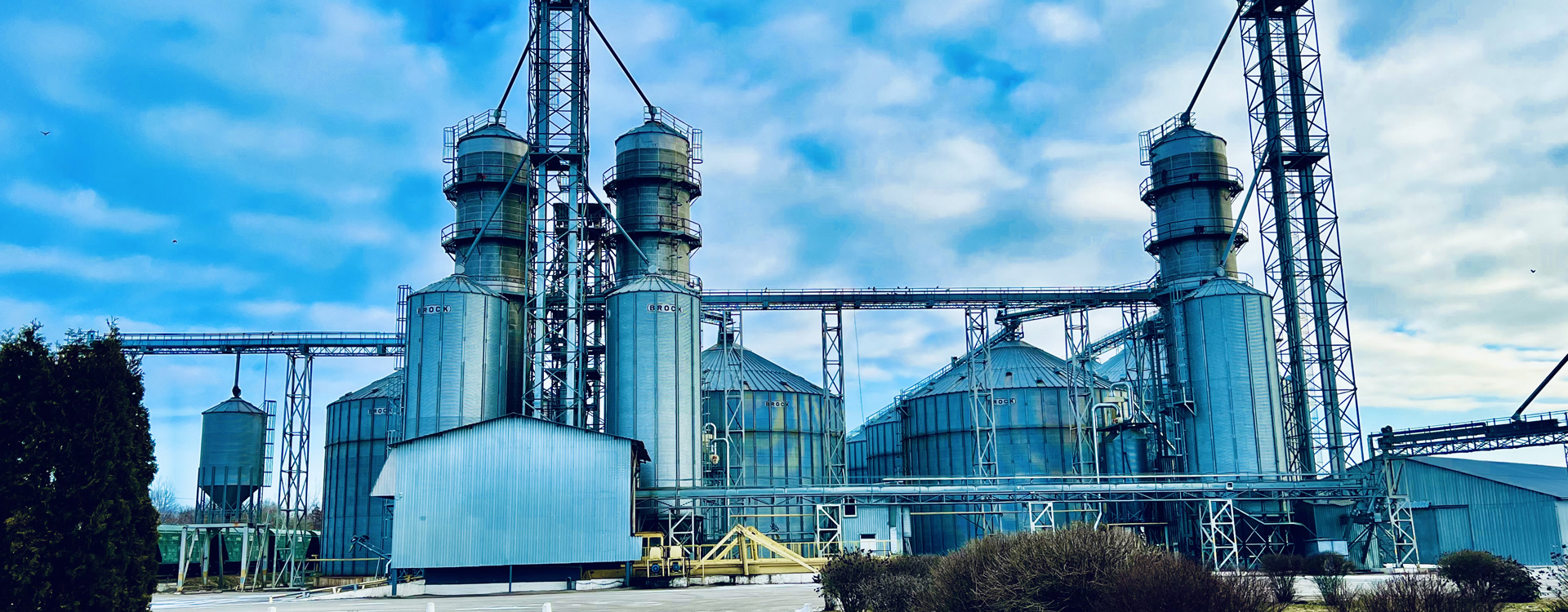
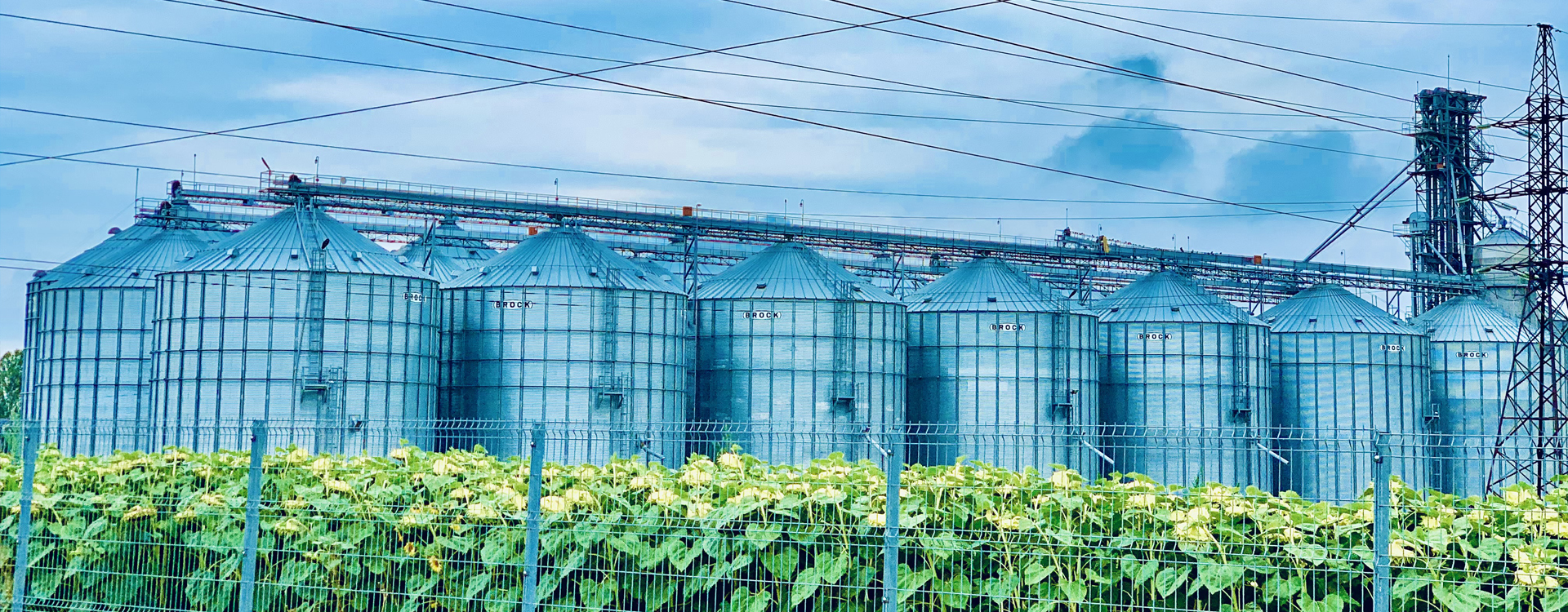
Automatic control system and power supply of the elevator
Automation is one of the directions of scientific and technical progress, which uses self-regulating technical means and mathematical methods with the aim of freeing a person from participation in the processes of obtaining, transforming, transmitting and using energy, materials, products or information, or significantly reducing the degree of this participation or the labor intensity of the performed operations
The efficiency of a modern elevator directly depends on the reliability of the control cabinets and the automatic control system. Our company offers a turnkey system of automatic control systems and power supply for elevators, in various configuration options (Siemens, Schneider Electric, ABB, General Electric, Moeller/Eaton, Etal), depending on the wishes of the Customer and the project budget. Thanks to this, we can offer the best solution for your company, with an optimal price/quality ratio. Thanks to the vast experience of work in this field, the specialists of our company offer a number of innovative solutions that favorably distinguish our products from the products of other manufacturers, which allows us to use the invested funds as efficiently as possible and minimize the project payback period.
Power cabinets (control cabinets)
The main functions of control cabinets are as follows:
- Introduction and distribution of electricity
- Power supply to electrical equipment
- Protection of electrical equipment against overloads and short circuits
- Equipment management (local and remote) in manual operation mode
Input/output of discrete and analog signals controller - Selection of operation mode (manual, automated)
The control cabinets include input and sectional automatic switches, start-up control equipment, soft start devices and frequency converters (if necessary), controls for manual operation, remote discrete and analog signal input/output modules, current sensors, etc. This structure allows minimize the dimensions of control cabinets and the number of cable connections. This makes it possible to reduce the cost of equipment, compared to the traditional arrangement of electrical panels, and to increase the convenience of maintenance.
Cabinet with a programmable controller (PLC)
The programmable logic controller (PLC) carries out the initial processing of input signals and control of the equipment of the complex, in accordance with the given program.
The main functions of the PLC in the elevator control system are as follows:
- Management and control of elevator mechanisms (transportation and technological equipment)
- Locking on/off of the equipment, according to the technological diagram of the elevator
- Processing of signals from emergency sensors (speed, support, tape descent, chain break)
- Processing of product level sensor signals
- Handling emergency situations
- Management of auxiliary (for example, aspiration) equipment (preliminary start when aspirated technological equipment is turned on, stop after it is turned off)
- Management of grain supply to the grain dryer from level sensors
- Correct shutdown of complex equipment in the event of emergency situations
The structure of the elevator control system system
The elevator control system consists of the following main parts:
- Power cabinets (control cabinets)
- Mnemonic diagram of the technological process (option)
- Cabinet with a programmable controller (PLC)
- Operator's computer (industrial computer, Scada - system), software
Sensors, limit switches, local control posts, electric motors
Sensors, limit switches
The reliability of the entire complex largely depends on the operation of the final devices (sensors, limit switches). Also, the preservation of the equipment and trouble-free operation of the complex depends on how correctly selected and installed the emergency sensors, speed sensors, support sensors, tape descent, chain break) depend. The correct selection of limit level sensors of silos and hoppers (product characteristics, sensor installation location, etc.) is important for timely stopping of loading routes, correct management of product pumping routes into temporary storage hoppers, and a number of other tasks.
Operator's computer (Scada - system), software
The complex is managed from the operator's computer, which is built on the basis of a modern industrial computer. Elevator control software performs the following technological process control functions:
- Visualization of the operation of the complex (operation of technological and transport equipment, position of diverter valves and valves, status of level sensors)
- Control of the current load of carriages and conveyors
- Management of transport and technological equipment, diverter valves and valves
- Automatic construction of routes by selecting the initial ("source") and final ("receiver") element of the route, starting the necessary transport elements and technological equipment in the required sequence and stopping them at the command of the operator or to fill the silo
- Sequential launch of route equipment to accelerate transport elements and reduce the shock load on the power system
- Consecutive exclusion of route equipment for cleaning transport elements from the product
- Illumination of different routes in different colors for convenient visual control of route operation
- Software blocking of the launch of conflicting routes
- The possibility of starting the route with the help of a frequency converter (soft start device) after an emergency stop with the product and returning to normal operation
- Pre-launch alarm
- Emergency - warning alarm about malfunctions in the operation of the equipment
- Issue of emergency messages
- Keeping a log file of events (turning on/off equipment, occurrence of emergency and emergency situations, operator actions)
- Delimitation of user access rights
- Possibility of remote access to the control computer via the Internet
- Control of the working time of the mechanisms
- The possibility of indirect accounting of the amount of product in the silos of the elevator (when entering relevant data on income/expenditure from current, automobile and/or railway scales)
- Integration with flow scales from different manufacturers
- Issuance of data in 1C Accounting
Thanks to the vast experience of work in this field, our specialists have achieved the following high performance indicators:
- High fault resistance and absence of work failures
- Minimum data exchange time between the control computer, PLC and remote input/output modules, and as a result – high speed of the automatic control system (achieved by using modern programming technologies and advanced automation algorithms)
- Intuitive user interface
- The ability to control the movement of the product on the elevator at any time; the possibility of remote control of the equipment of the complex